
Dr. Mahender is a seasoned entrepreneur and deep-tech expert with over 20 years of entrepreneurial experience and 15+ years working in IoT, AI/ML, Digital Twin, and digital agriculture, contributing to climate-smart agriculture and agri-technology adoption.
Meet Our LEADERS
Leaders and doers shaping AgBharat
ADVISORY BOARD
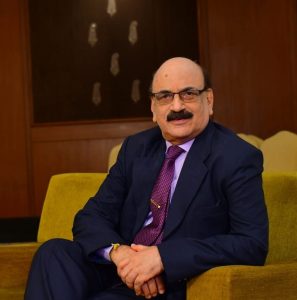
Prof. Shashi Bhushan Vemuri
Ph.D.(Ag. Entomology), FRES, FRSPH
Former Principal Scientist & Senior Professor, PJTSAU; 40+ years in agricultural research and extension with global expertise in food safety, pesticide residues, and IPM.
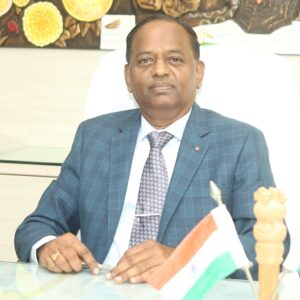
Mr. C. Achalender Reddy, IFS (Retd.)
IFS (1986 Batch), M.Sc. Forestry
Former PCCF (Arunachal Pradesh) & Secretary, National Biodiversity Authority; 40 + years in forestry, biodiversity governance, wildlife conservation, and eco-tourism.
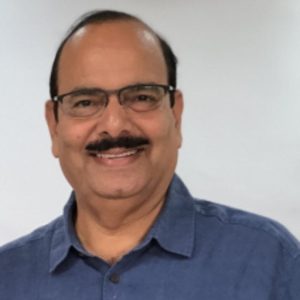
Dr. K. K. Sharma
Ph.D.(Organic Chemistry) M.Sc., M.Phil.
Former Network Coordinator, AINP on Pesticide Residues, ICAR-IARI; 40 years in pesticide residue analysis, food safety regulation, and Codex international committees.
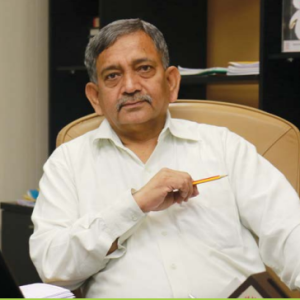
Prof. Hemnath Rao Hanumankar
MBA, Former Dean, ASCI
Former Senior Professor, ASCI & Director, DMI; 40+ years in management consulting, institutional leadership, SME development, and policy advisory with UNDP, World Bank, and other agencies
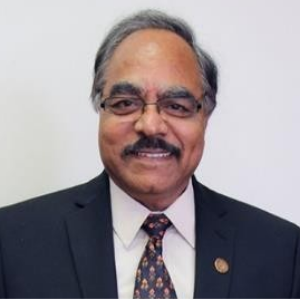
Dr. Srinivasa Rao Mentreddy
Ph.D.(Agronomy), M.Sc.
Professor of Crop Science, Alabama A&M University, USA; 35+ years in crop science, cover crops, medicinal crops, and sustainable farming systems in India, Australia, and the USA.

Dr. Vijaya Lakshmi Korlipara
Ph.D.(Entomology), M.Sc. Agri
Former Associate Dean & University Head of Entomology, PJTSAU; 35+ years in research, and extension in pest management, biodiversity, and climate-smart agriculture.

Mr. G. V. Subbareddy
M.Sc.(Agriculture)
Vice President, Coromandel International; 42 years in agri-business leadership, integrated nutrient management, farmer outreach, soil health advocacy, and CSR programs.
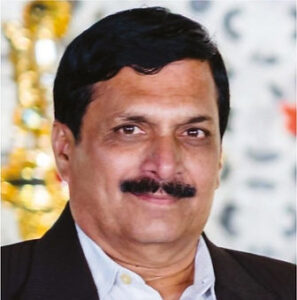
Dr. A. Raja Reddy
Ph.D.(Zoology/Entomology), M.Sc.(Agri)
Dean of Agriculture, Malla Reddy University; 30+ years in academia and research in Entomology, Plant Protection, and student mentoring across agricultural institutions.

Dr. R. Sai Shiva Jayanth
Ph.D.(Economics, IIM Kozhikode), CA & CS
Assistant Professor (Public Policy), IIM Visakhapatnam; 12+ years in economics, finance, and policy with startup experience as co-founder and CFO.
Ready to pilot with AgBharat?
We run seasonal pilots with FPOs, agri-businesses, and government partners — tailored to crop, region and connectivity.
Have Questions?
Get clarity on our work and impact
How can farmers join AgBharat’s programs?
Farmers can join AgBharat’s programs by becoming part of our digital-first agricultural ecosystem, designed to make farming more profitable, sustainable, and climate-resilient. AgBharat provides farmers with realtime advisories, digital tools, market linkages, and carbon-credit opportunities — all through easy-to-access platforms and local partnerships.
Steps to Join:
-
Connect Locally: Farmers can register through their nearest Farmer Producer Organization (FPO), AgBharat’s field coordinator, or by visiting the “Join as Farmer” section on our website.
-
Digital Registration: Basic details such as name, village, crop type, and phone number are collected for onboarding into AgBharat’s digital advisory and awareness network.
-
Training & Orientation: Farmers receive digital literacy training on how to use mobile advisories, weather alerts, soil health dashboards, and market-price updates.
-
Program Participation: Once registered, farmers can join AgBharat’s field-level programs such as climate-smart agriculture training, carbon-credit pilot projects, and digital recordkeeping initiatives.
How can FPO join AgBharat’s programs?
Farmer Producer Organizations (FPOs) can join AgBharat by becoming registered members of the AgBharat Global Sustainability Alliance Association (AGSAA).
The process is simple and collaborative:
-
Submit Interest Form: FPO representatives can fill the Membership Application Form available on the AgBharat website under the “Join as FPO” or “Membership” section.
-
Verification & Alignment: The AgBharat team reviews each application to align the FPO’s objectives with ongoing projects (digital governance, carbon-credit registration, market linkages, etc.).
-
Onboarding & Training: Once approved, the FPO’s leadership and members are onboarded through digital training sessions and provided access to digital recordkeeping, advisory platforms, and carbon-credit registration tools.
-
Program Participation: FPOs can directly participate in value chain digitization, climate-smart farming initiatives, and digital capacity-building workshops conducted at district and state levels.
How can Impact Organizations join AgBharat’s programs?
Impact organizations — including NGOs, non-profits, foundations, and social enterprises — can partner with AgBharat to co-create and scale agricultural sustainability programs across India.
Steps to Join:
-
Partnership Proposal Submission: Interested organizations can write to info@agbharat.org or apply through the “Partner With Us” page, sharing their focus areas (livelihoods, digital inclusion, climate adaptation, women empowerment, etc.).
-
Program Alignment: AgBharat evaluates partnership opportunities based on mission alignment, target geography, and thematic fit.
-
Formal Collaboration: Once mutual objectives are defined, MoUs or partnership letters are signed for co-implementation.
-
Joint Execution & Impact Measurement: Programs are jointly implemented, and impact dashboards are provided for transparent monitoring and outcome tracking.
How can Industry Partners join AgBharat’s programs?
AgBharat invites corporates, agri-input companies, agri-tech firms, processors, and export houses to collaborate through CSR and industry-aligned sustainability programs.
Joining Process:
-
Engagement Inquiry: Industry partners can reach out via info@agbharat.org or fill the “Industry Partnership Form” on the website.
-
CSR/ESG Alignment Discussion: AgBharat’s partnership team conducts a consultation to align your CSR goals with scalable field initiatives (digital farming, carbon credits, green logistics, or climate education).
-
Program Design & MOU: Customized partnership models are co-developed with clear KPIs, budgets, and timelines.
-
Implementation & Reporting: AgBharat manages on-ground implementation through verified FPOs, sharing real-time impact dashboards and ESG reports.
How can Ag Universities/Boards can join AgBharat’s programs?
Agricultural universities, boards, and research institutions play a key role in AgBharat’s mission to make digital agriculture knowledge accessible to every rural student and farming community.
Collaboration Pathway:
- Program Design: AgBharat collaborates with your faculty or board representatives to co-develop initiatives such as digital agriculture bridge courses, carbon-credit certification training, IoT/GIS labs, and field innovation pilots.
-
Joint Research & Student Involvement: Students can participate in AgBharat internship programs, rural digital innovation projects, and live pilot deployments in villages.
-
Long-term MoUs: Multi-year collaborations can be formalized for curriculum integration, faculty training, and joint publications on digital sustainability.
Grounded Work, Global Impact
AgBharat Aligned with the SDGs