Technology + Tradition: Blending Innovation with Indigenous Farming Practices
- September 24, 2025
- Posted by: Naveen Kumar V
- Category: Insights
Technology + Tradition: Blending Innovation with Indigenous Farming Practices
India’s agricultural landscape stands at a fascinating confluence where millennia-old farming wisdom meets cutting-edge digital technology. As the nation strives to feed 1.4 billion people while preserving ecological balance, the integration of mobile applications with traditional knowledge systems presents unprecedented opportunities for sustainable agricultural transformation, particularly in the agriculturally vibrant states of Telangana and Andhra Pradesh.
The Digital Agriculture Revolution in India
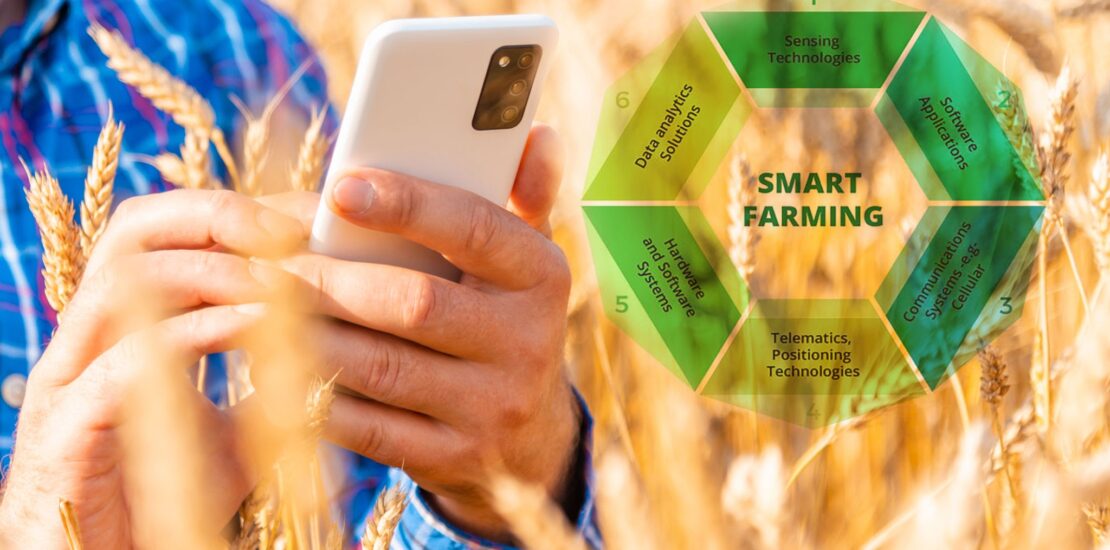
The proliferation of smartphones across rural India has democratized access to knowledge like never before. Farmers now use mobile apps to track weather conditions, monitor soil health, access government subsidies, and even sell produce directly to buyers.
Several platforms exemplify this transformation:
-
NaPanta Smart Kisan (Telangana & Andhra Pradesh) – empowering over 3,00,000+ farmers with live mandi price updates, agro-advisories, and farm expense tracking.
-
Kisan Suvidha (Government of India) – providing multilingual access to weather forecasts, input dealers, and market prices.
-
IFFCO Kisan App – offering expert crop advisory services and market linkages.
Together, these solutions highlight how digital tools complement traditional practices, making farmers more resilient in the face of climate variability, rising input costs, and market fluctuations..
The scale of NaPanta’s impact demonstrates the readiness of Indian farmers to nurture digital transformation. The platform has been subscribed by over 3,00,000+ farmers across Telangana and Andhra Pradesh, with 4,000+ daily Mandi market prices live updates, over 15,000+ Q&As in its Agro Forum, and 75,000+ average unique visitors monthly and 1.5 million screen interactions. This remarkable adoption rate positions NaPanta as one of the top-rated Telugu agricultural apps in both Telangana and Andhra Pradesh.
Indigenous Wisdom: The Foundation of Sustainable Practices
While digital technology offers precision and scalability, India’s traditional farming practices provide time-tested sustainability frameworks. The states of Andhra Pradesh and Telangana exemplify this synergy magnificently. Andhra Pradesh, still widely known as the ‘rice bowl of India’ (referring to the Krishna-Godavari Delta region), represents one of the country’s largest agricultural states where over 62% of the population depends on farming, making it an ideal laboratory for techno-traditional integration.
The Andhra Pradesh Community-Managed Natural Farming (APCNF) initiative demonstrates how traditional practices can be systematically scaled. The approach centers on reinjecting bacteria into soil through innovative use of cow waste as an inoculant rather than traditional fertilizer, restoring soil fertility and productivity naturally. This natural farming movement has expanded to cover over 6.3 lakh hectares and has enrolled over 6,30,000 farmers across multiple states including Andhra Pradesh, Chhattisgarh, Kerala, Gujarat, and others.
Traditional knowledge systems encompass sophisticated soil and water management techniques, crop rotation patterns, and integrated pest management strategies. Research indicates numerous Indigenous Technical Knowledge (ITK) systems for soil fertility management, crop production, and protection that require integration with modern technologies to achieve sustainable production while preserving soil health.
Synergistic Integration: Tradition Meets Technology
The real breakthrough lies not in replacing traditional practices but in integrating them with digital precision. For example:
-
Farmers in Telangana now combine traditional pest calendars with digital weekly pest advisories from apps like NaPanta.
-
Community forums on digital platforms capture localized indigenous knowledge—from organic pesticide mixes to crop sequencing—while ensuring it’s validated with scientific insights.
-
Weather-based mobile advisories are helping farmers align ancestral water-harvesting techniques with modern rainfall predictions.
Such synergies demonstrate how technology becomes a partner, not a substitute, for cultural knowledge.
Emerging Technologies Shaping Indian Farming
The next phase of India’s agritech evolution is powered by AI, IoT, and blockchain:
-
Machine learning tools are analyzing crop data to provide hyper-localized advisories.
-
IoT sensors are enabling real-time soil moisture and nutrient monitoring.
-
Blockchain-based certification systems are being tested to ensure transparency in organic and natural produce supply chains.
Platforms like NaPanta, among others, are experimenting with these technologies to create holistic solutions that farmers can trust and easily adopt.
NaPanta Smart Kisan platform incorporates machine learning and various advanced technologies, capable of generating comprehensive farm information and statistics while providing recommendations for optimal farming practices. The platform’s agri-analytics capabilities represent the next frontier of precision agriculture, where AI-powered insights can enhance traditional practices by providing data-driven validation of time-tested wisdom.
Policy Implications and Future Directions
Government initiatives must recognize that sustainable agricultural development requires both technological advancement and traditional knowledge preservation. Support systems should incentivize applications that incorporate indigenous practices rather than replacing them entirely.
Research institutions should prioritize documentation and validation of traditional practices, creating databases that mobile applications can access and utilize. This approach ensures cultural preservation while enabling scientific advancement.
The agricultural community researchers, farmers, and policymakers—must recognize platforms like NaPanta Smart Kisan as exemplary models of hybrid solutions that leverage digital technology’s precision with traditional knowledge’s sustainability. Farmers should explore digital agricultural platforms like NaPanta not as a replacement for ancestral wisdom but as a powerful tool that amplifies and enhances traditional practices through scientific validation and community knowledge sharing.
Agricultural researchers should actively collaborate with innovative digital agricultural platforms to create applications that genuinely meet the needs of farming communities. At the same time, technology developers should adopt a strong user-centered design approach taking into account local contexts, languages, and traditional practices while delivering modern digital solutions that improve both productivity and sustainability
The convergence of mobile technology with indigenous farming practices represents more than technological adoption it embodies a philosophy of sustainable development that respects cultural heritage while pursuing agricultural innovation. As we advance into an increasingly connected agricultural ecosystem, success will be measured not merely by yield increases but by the preservation of soil health, biodiversity, and farming communities’ cultural identity. This technological-traditional synthesis offers hope for addressing climate change challenges, ensuring food security, and maintaining agricultural sustainability for future generations. The choice is clear: Nurturing this integration today to cultivate a resilient agricultural tomorrow.